What Does an Algorithm Sound Like?
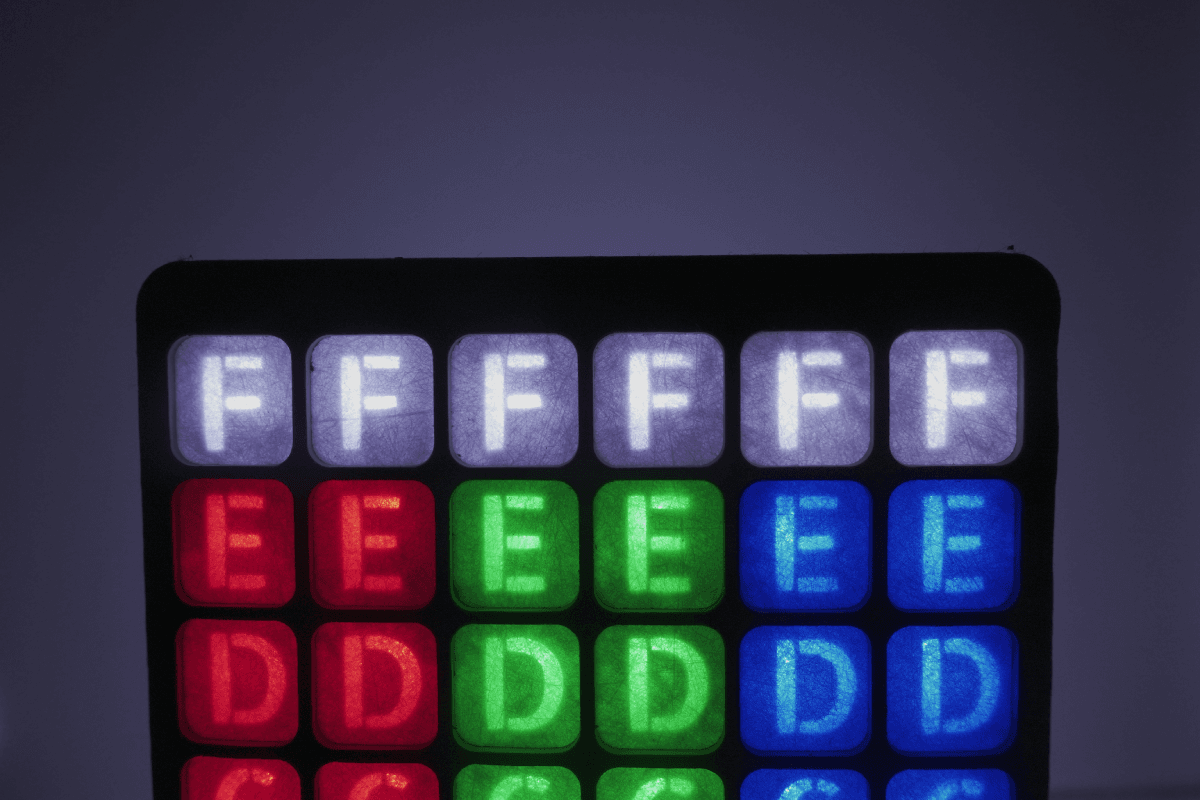
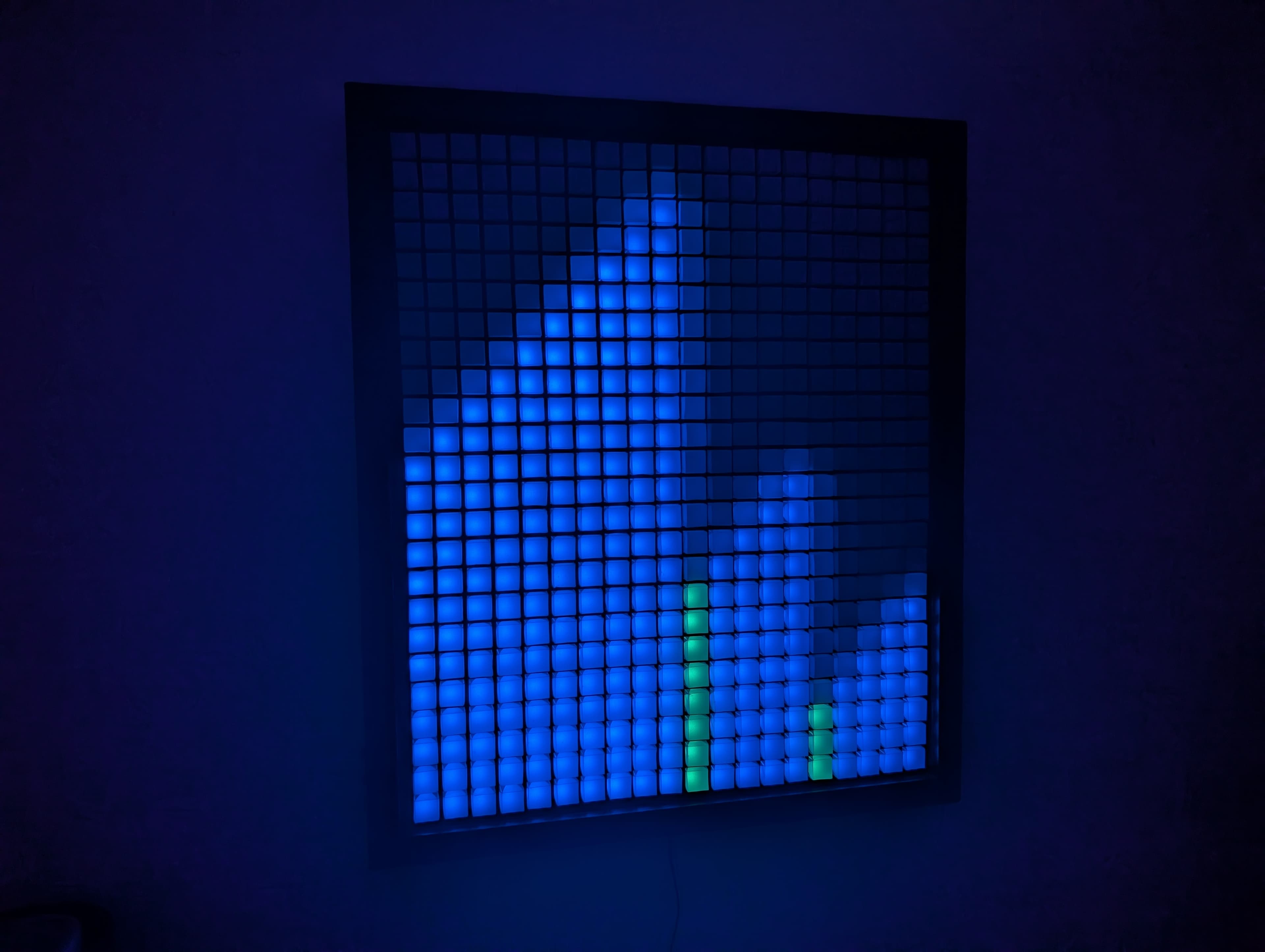
A DIY classroom LED matrix designed to visualise and listen to sorting algorithms. Built to make abstract computer science concepts tangible for students.
In-depth write-ups, circuit schematics, source code walkthroughs, and fabrication notes for my projects with Raspberry Pi, LEDs, quilt piecing, paper folding, and classroom mathematics.

A DIY classroom LED matrix designed to visualise and listen to sorting algorithms. Built to make abstract computer science concepts tangible for students.
A glowing wooden and acrylic wall tracker built to show my son when we're on our way home, powered by Home Assistant, Owntracks, and Raspberry Pi.

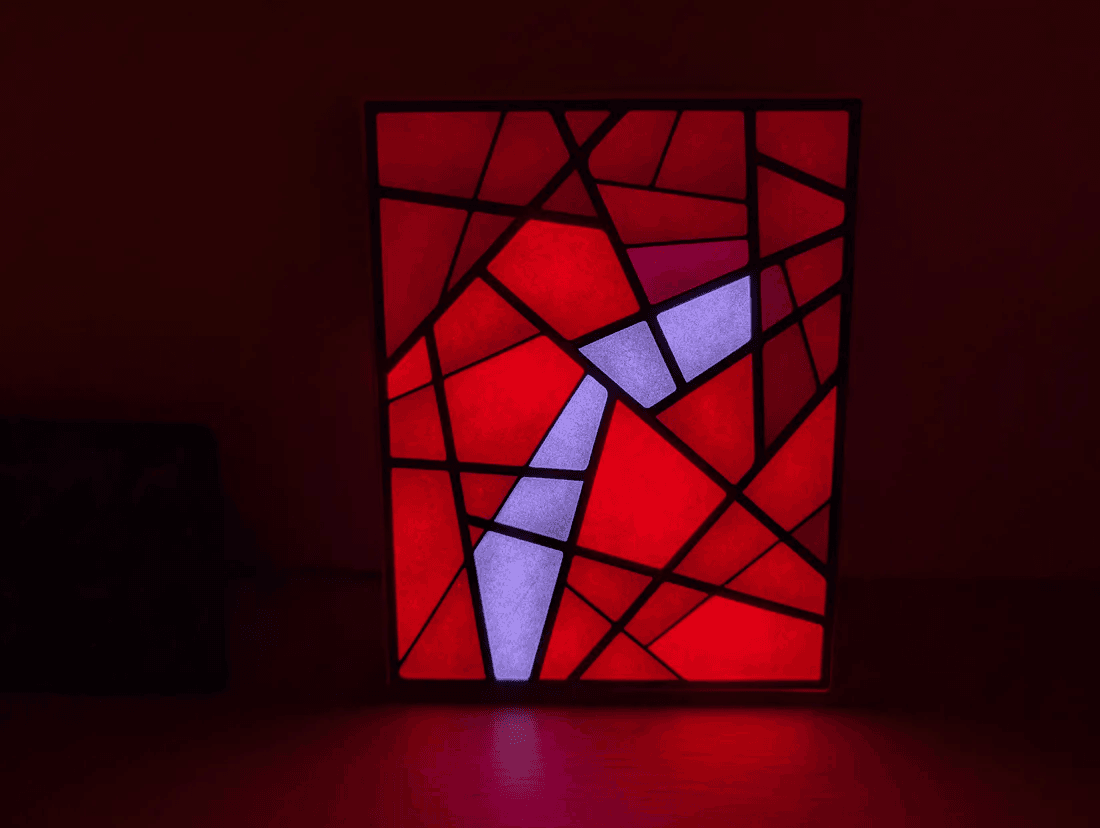
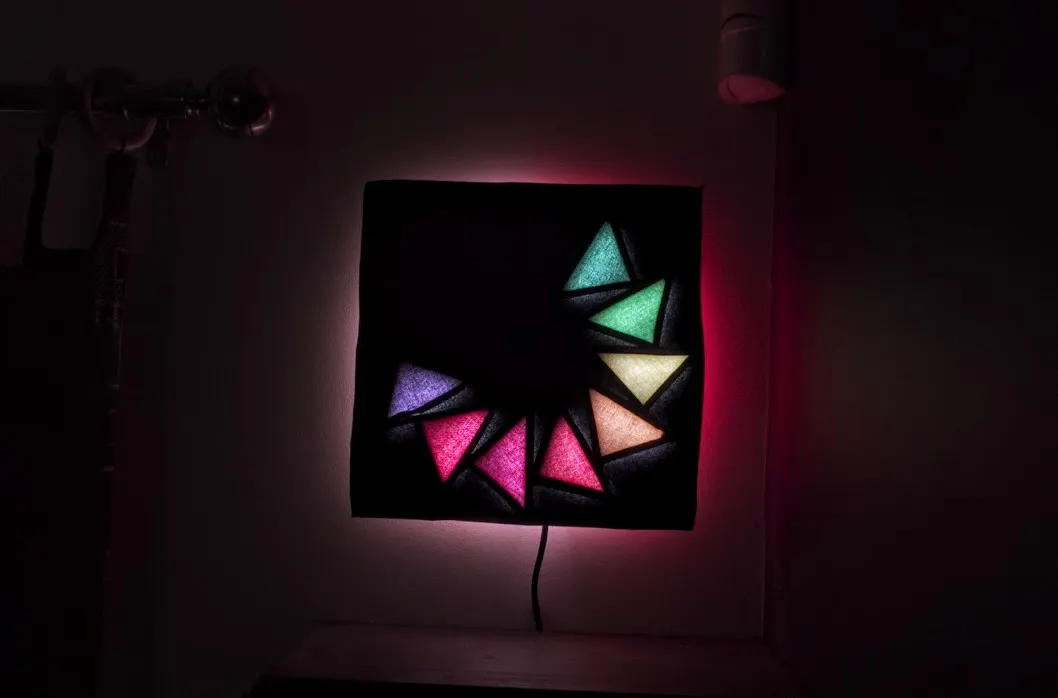
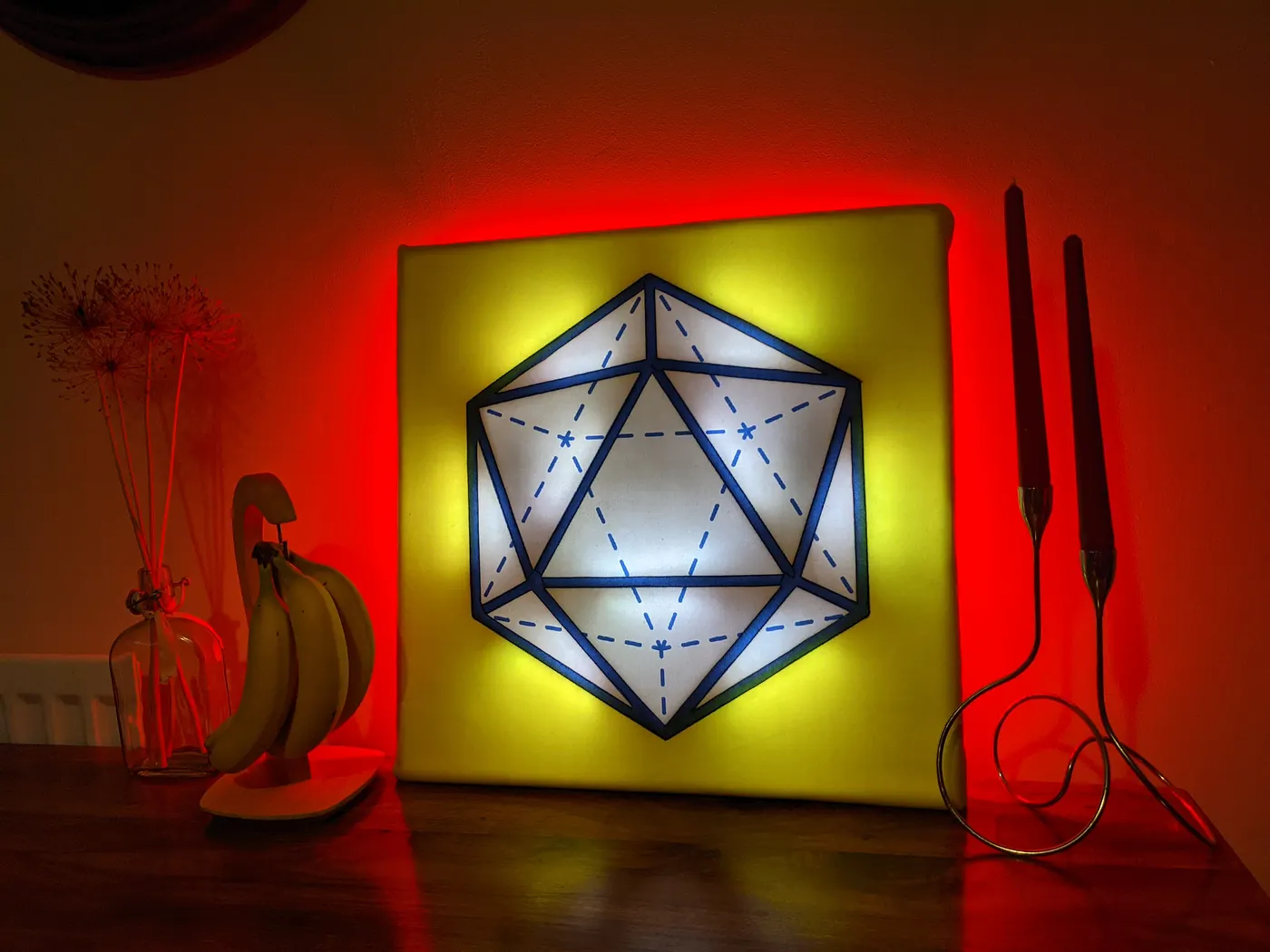
An interactive piece of wall art that visualises how computers find the shortest path between locations using a Raspberry Pi Pico, NeoPixels, and Dijkstra's algorithm.

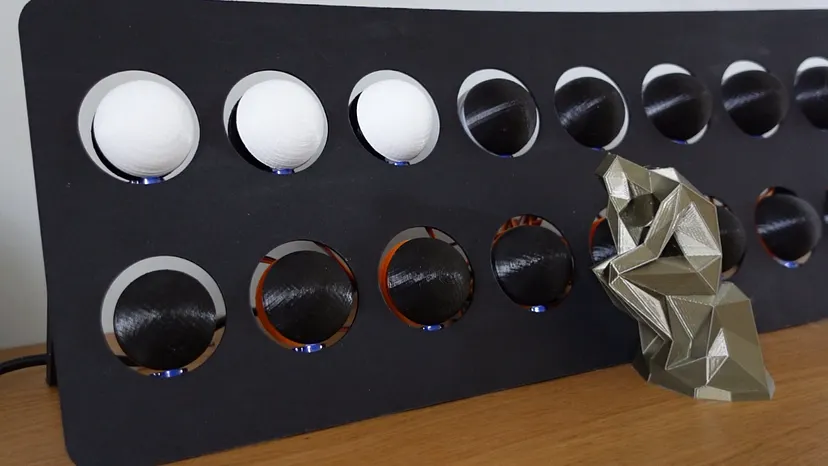
Exploring negative numbers with a servo-powered zero pairs display: using a Raspberry Pi Zero, Adafruit Servo Hat, and 16 servos to make abstract math tangible.

Handling dates, whiteboard typography, and creating clean JavaScript functions to generate accurate English ordinal suffixes with superscript support.

When feedback is infected with AI: Exploring the hilarious absurdity of AI-generated praise sandwiches for students when effort and filling are sparse.

A clean guide to integrating Font Awesome icons into Next.js App Router projects with Tailwind CSS and autoAddCss = false to avoid flash of unstyled icons.

A concise guide to integrating Google Webfonts (like Sono) into Next.js App Router projects with Tailwind CSS for self-hosted, zero-layout-shift typography.

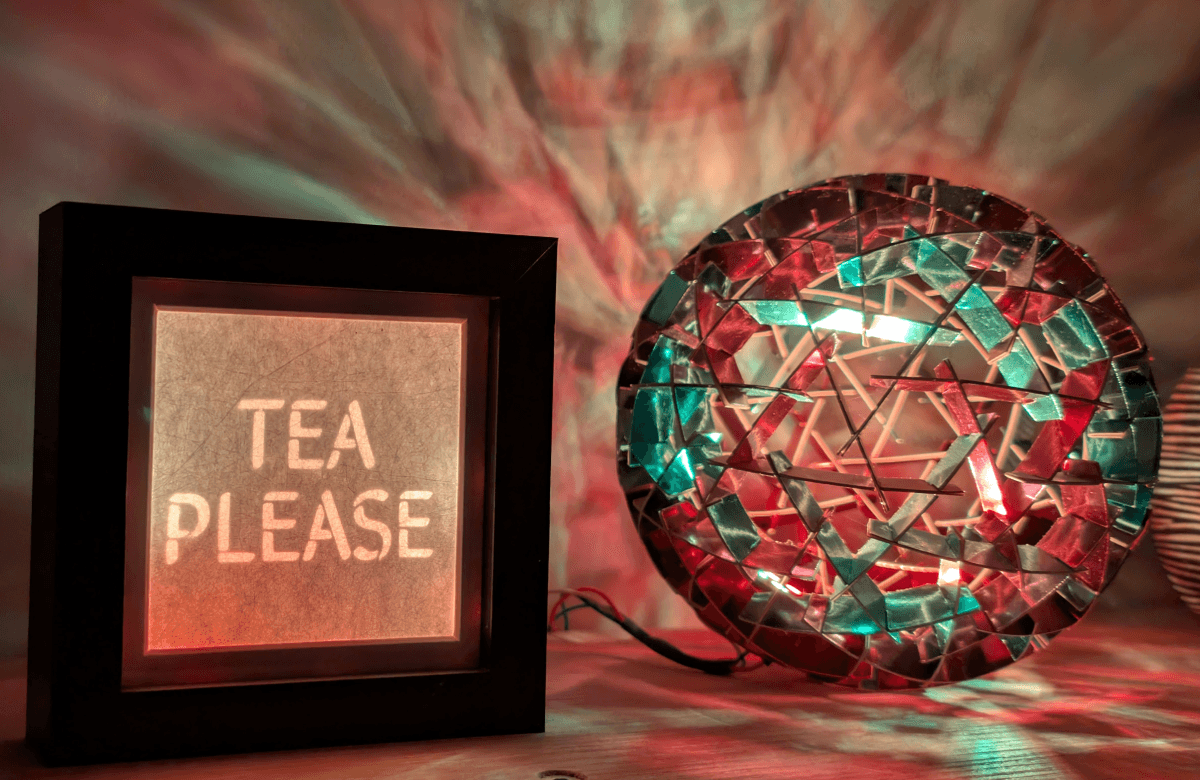
A sparkling LED beacon sitting in the kitchen that illuminates when I am 10 minutes from home to ensure the kettle is always boiled on time.

When Your AI Auto Response Responds to Your Boss' AI Auto Response. A satirical tech fiction story about corporate buzzwords, runaway algorithms, and unexpected consequences.

A custom 6-digit hexadecimal seven-segment display powered by a Raspberry Pi Pico W to explore how numbers and 24-bit RGB colours work.

A beginner’s guide to creating a responsive Flask web control panel on a Raspberry Pi Zero W to control WS2812 NeoPixel LEDs with threading and RGB sliders.

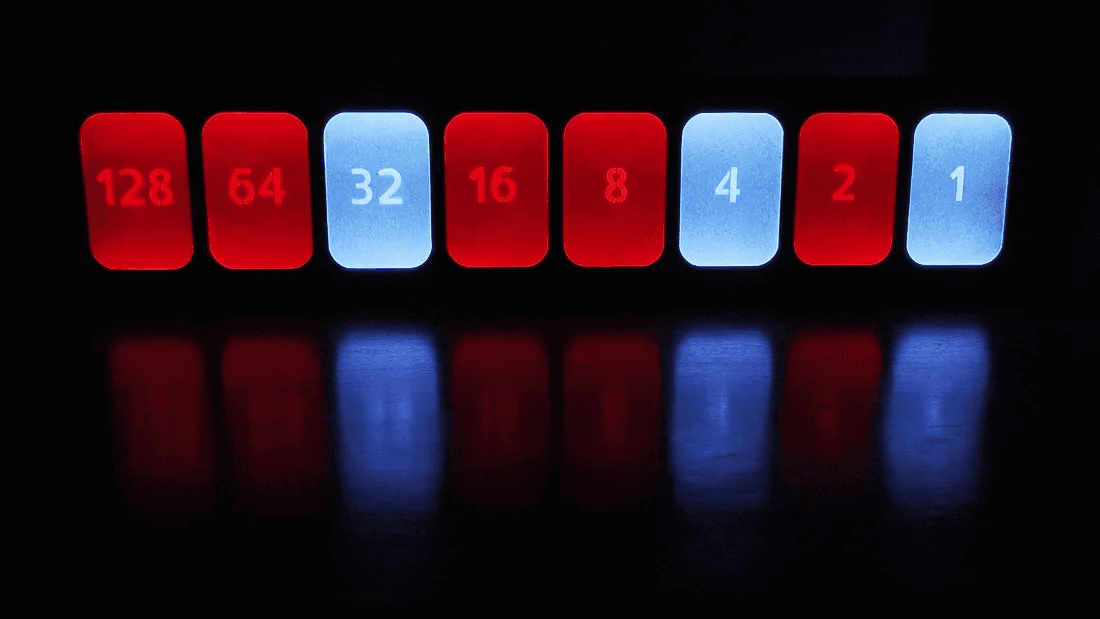
A vibrant way to keep time and deepen understanding of the base 2 numbering system using a Raspberry Pi Pico W, Cricut cutting, and MicroPython.

If ChatGPT is going to ruin the education system it may as well come for the school inspectors first. Six satirical, delightfully plausible inspection reports.

Unless the dog eats her co-pilot. Speculative fiction and classroom reflections on automated grading, DALL-E, and testing GitHub Copilot on GCSE Computer Science algorithms.

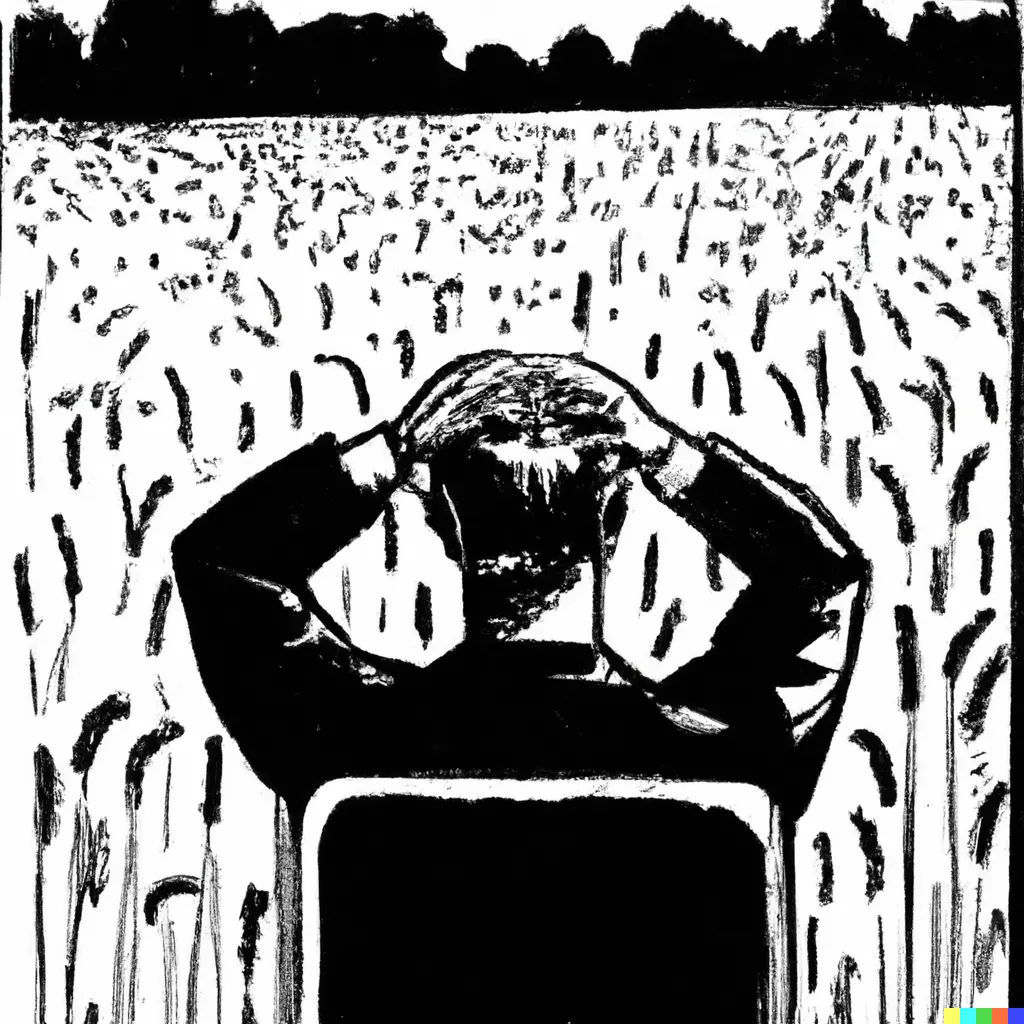
Generating realistic images from a text description is a reverse Rorschach inkblot test. A playful, insightful journey through early AI prompt engineering.

A unique clock combining traditional flying geese quilting patterns with modern Raspberry Pi tech, MQTT controls, and diffused RGB LEDs.

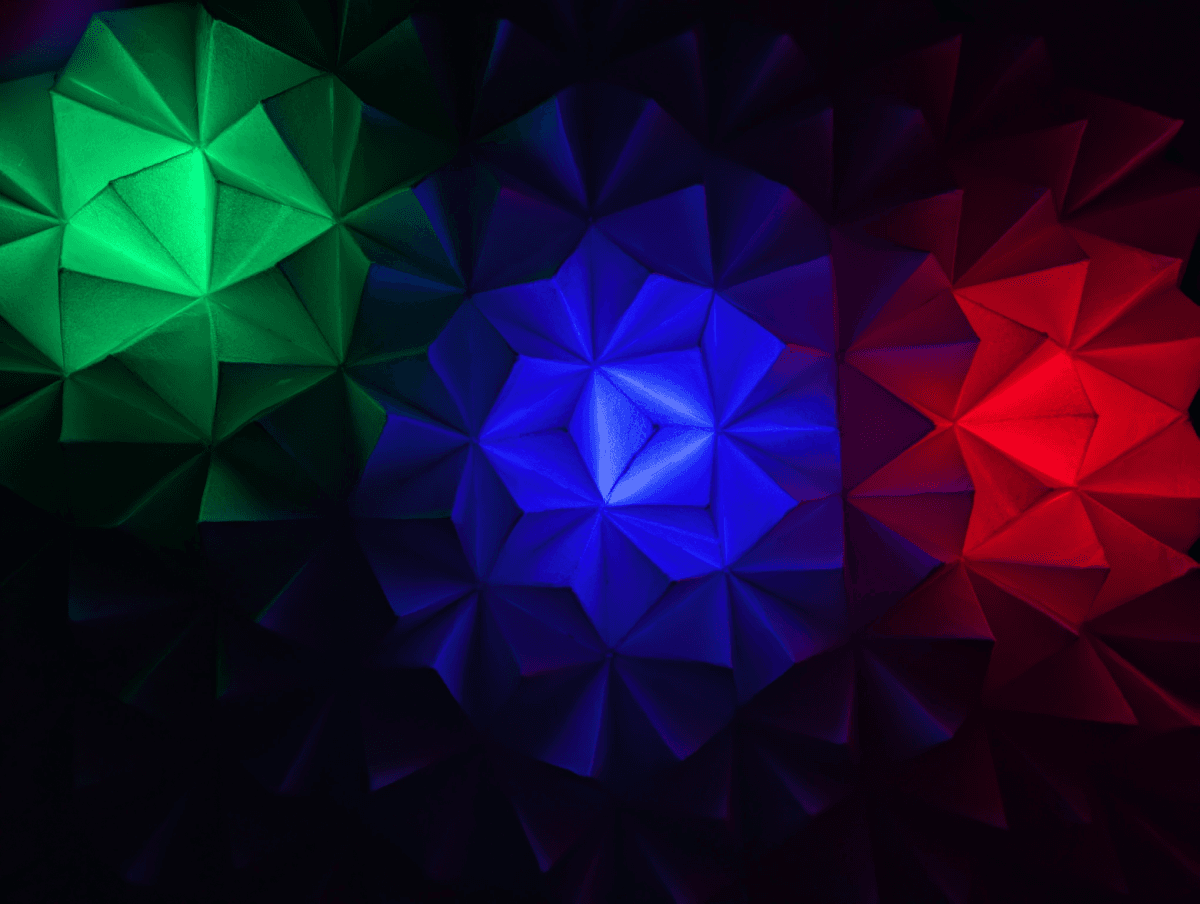
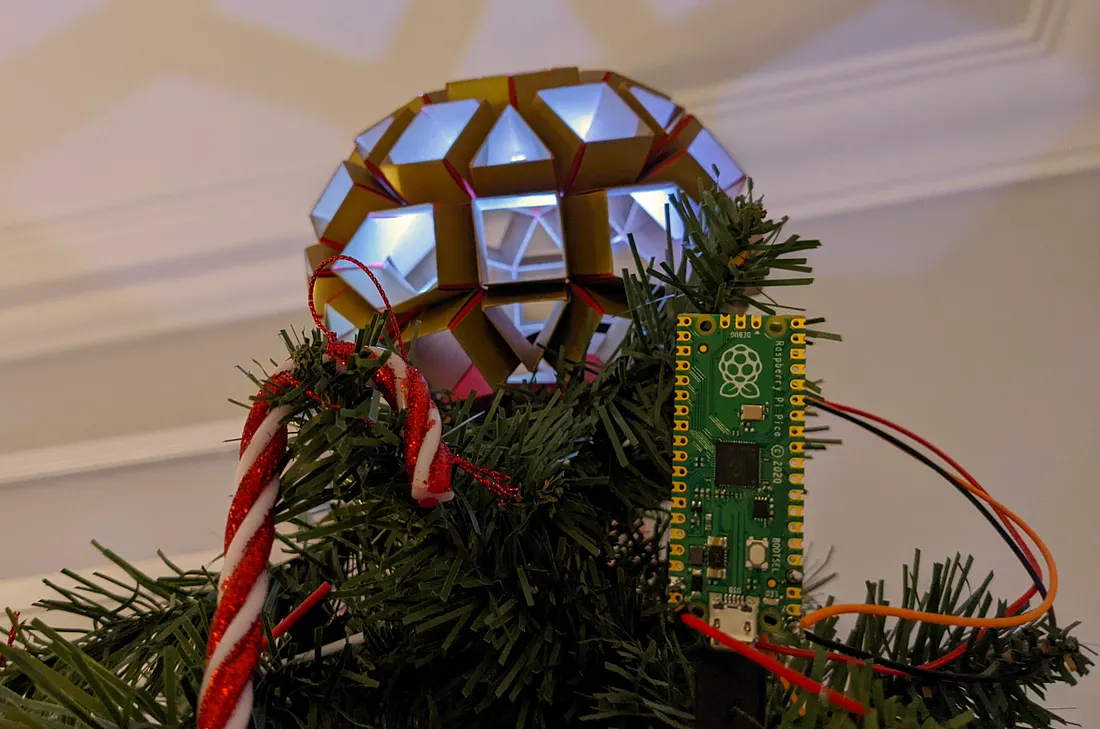
A Snapology origami Christmas tree topper with RGB LEDs powered by Raspberry Pi Pico, CircuitPython, and a FireBeetle ESP32 running WLED.

Packed with 180 RGB LEDs and a pair of speakers, all controlled by a Raspberry Pi as an experiment in light diffusion, geometry, and Python music sync.

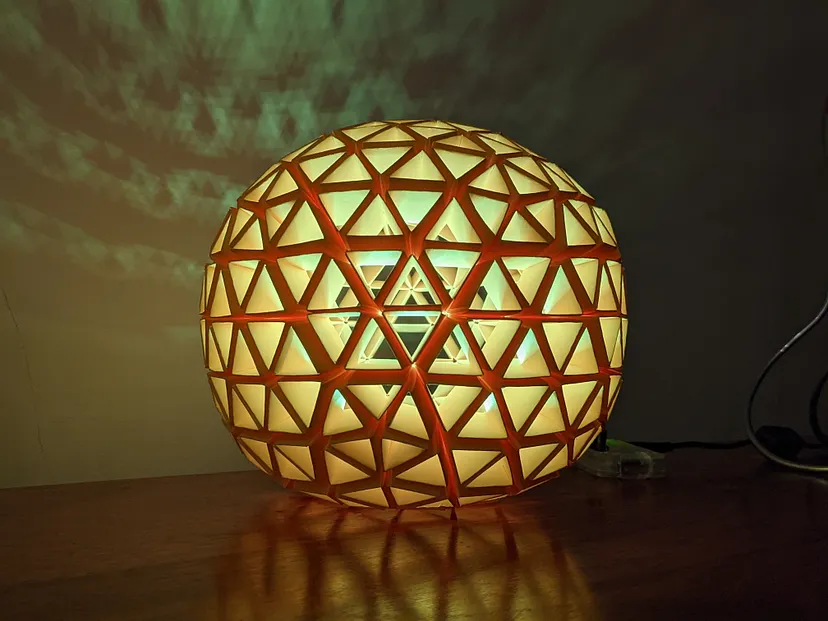
Pushing the limits of the Pi Zero, 16 NeoPixels, and 500 folded paper triangles in a Snapology origami sphere synced to live astronomical moon phase data.

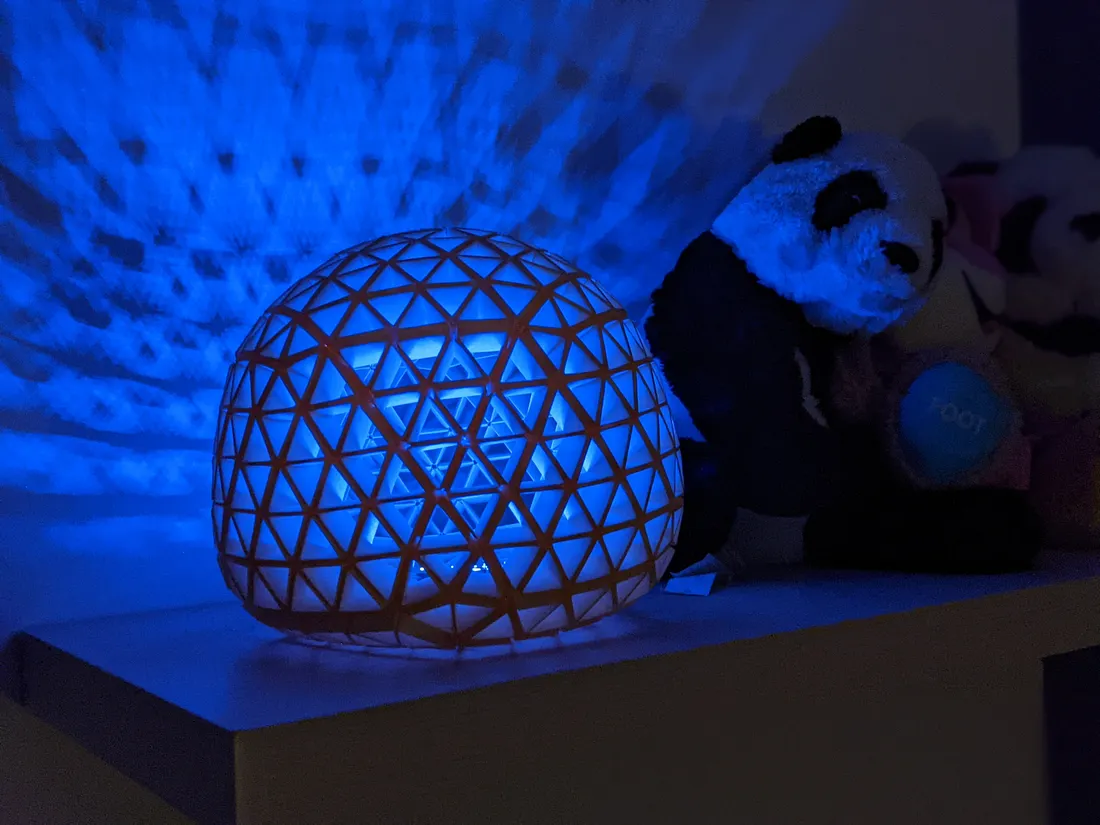
A creative sleep-trainer clock alternative combining geodesic Snapology paper folding with Raspberry Pi NeoPixel RGB LEDs and web scheduling.

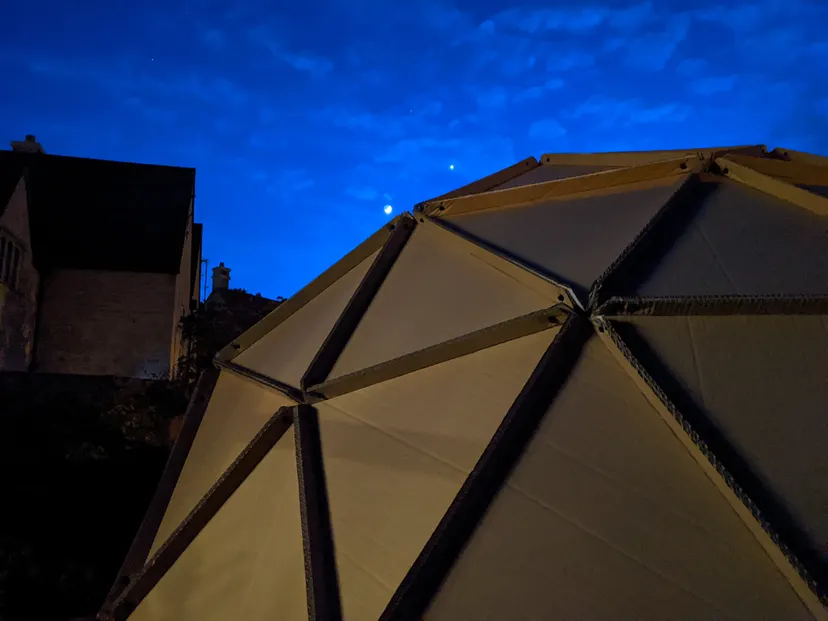
A geodesic cardboard dome built with students to explore astronomy, immersive spherical projection, and geometric polyhedron construction.

A not-so-random random name chooser: how a simple JavaScript script solved the problem of duplicate names and secret subgroup questioning in the classroom.
Looking for classroom tools, apps, or other experiments?